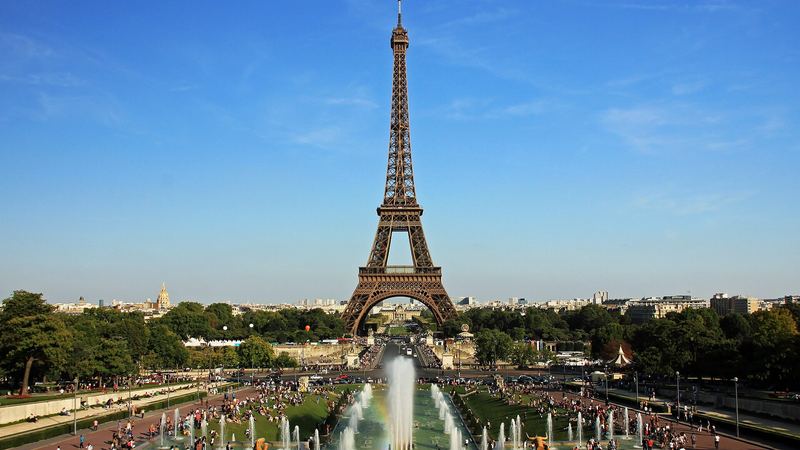
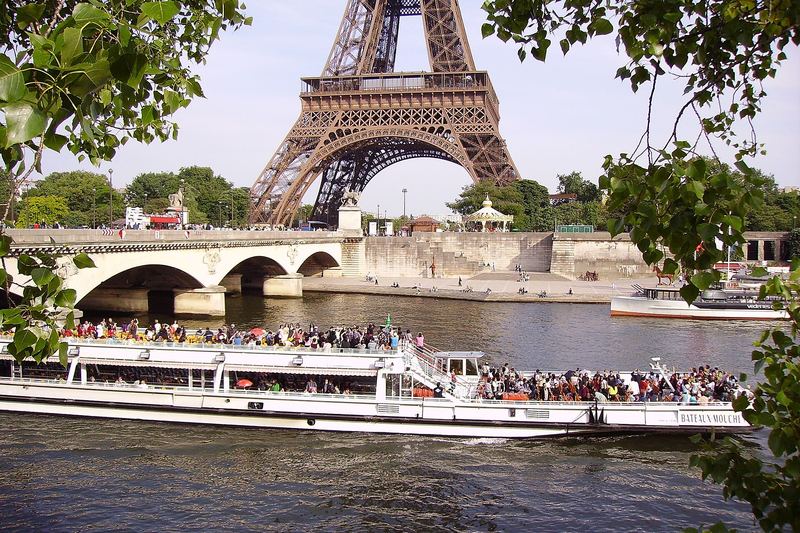
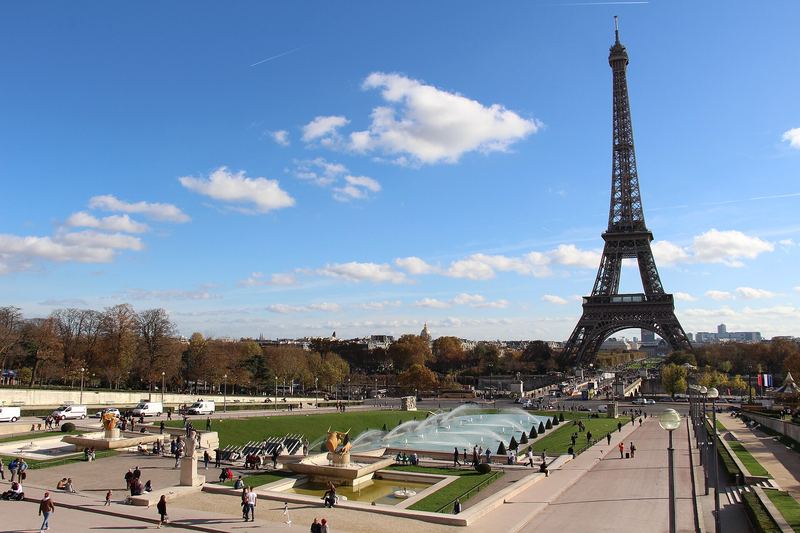
Eiffel Tower History: 12 Facts Most Visitors Don't Know
Knowing a little history makes the visit much richer. Here are the facts we enjoy sharing with friends on the way up.
Building the tower
- It was built for a world's fair. The tower was the entrance arch of the 1889 Exposition Universelle, held for the 100th anniversary of the French Revolution.
- Gustave Eiffel did not draw the first design. Two engineers in his company, Maurice Koechlin and Emile Nouguier, sketched it, and architect Stephen Sauvestre refined it.
- It took just over two years. Construction ran from early 1887 to March 1889.
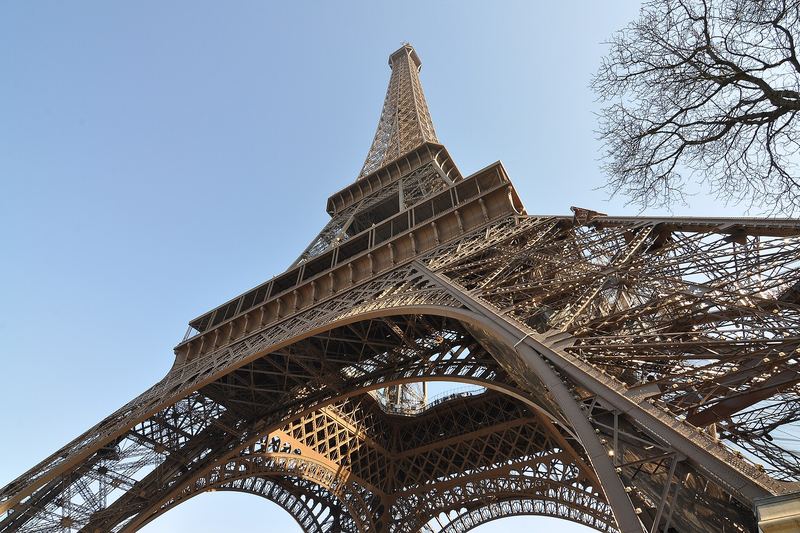
- It is held together by rivets. About 18,000 iron parts are joined by around 2.5 million rivets.
- Many Parisians hated it. Leading artists and writers signed a public protest against the "useless and monstrous" tower before it was finished.
- It was meant to come down. The permit lasted 20 years. Eiffel saved the tower by promoting it for science, especially radio, and its antennas made it too useful to demolish.
- Eiffel had an office at the top. He used it for experiments and to receive guests. You can see it, restored, at the summit.
- It was the tallest structure in the world for about 40 years, until the Chrysler Building in New York in 1930.
- It grows in summer. The iron expands in the heat, and the top can move by several centimetres.
- It is repainted by hand about every seven years, using around 60 tonnes of paint.
- Its colour has changed. It has been red-brown, yellow-ochre and several browns. Today's shade is known as "Eiffel Tower brown".
- It is taller than it was. The tower was 312 m in 1889. Antennas have brought it to about 330 m.
Saved by science
Numbers to impress your friends
On the 1st floor, exhibits explain how the tower was built and maintained. Take a few minutes there on your way down. See what to see on each floor.